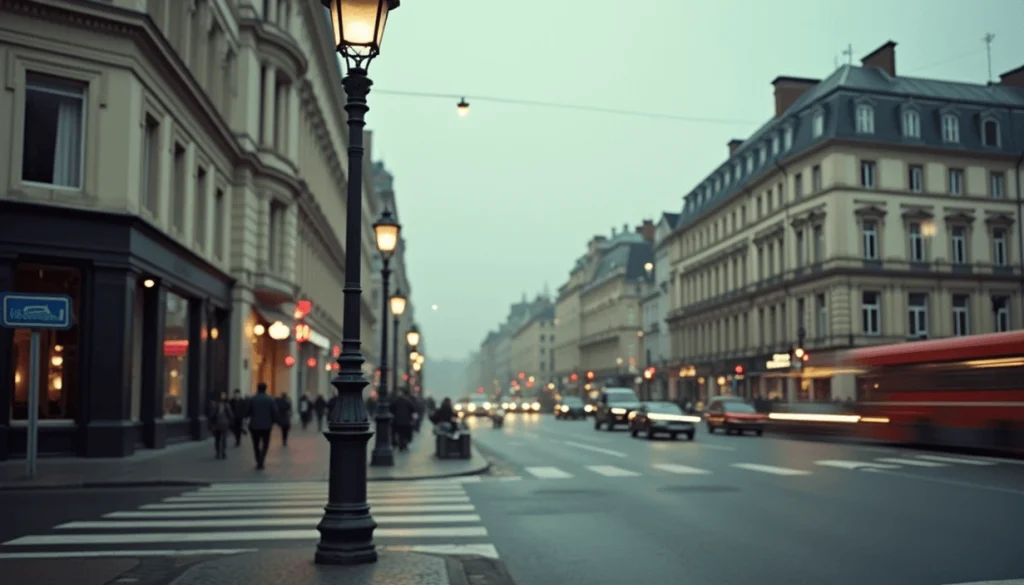
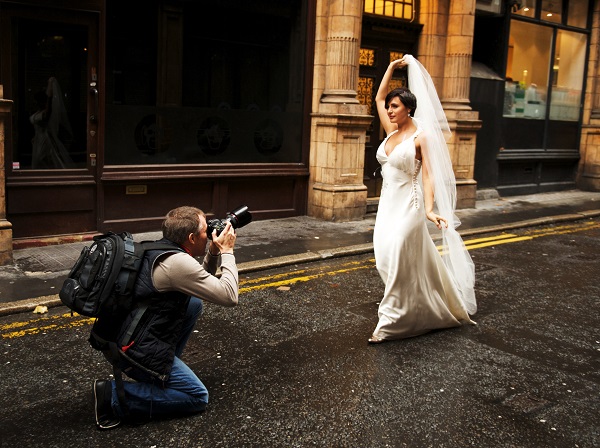
Street photography is one of the most expressive and real-world forms of visual storytelling. It captures candid moments of everyday life, often revealing emotions, culture, and human behavior in public spaces. For newcomers, street photography beginner lessons provide the essential foundation needed to confidently step into this creative genre and start capturing meaningful images.
Whether you’re holding a camera for the first time or transitioning from casual photography, structured learning can significantly speed up your progress and help you avoid common mistakes.
Content
Understanding the Basics of Street Photography
One of the first things street photography beginner lessons teach is the core concept of the genre itself. Beginners learn that street photography is not just about taking pictures in public—it’s about observing life and telling stories without staging or controlling the scene.
Students are introduced to key ideas such as:
Capturing candid, unposed moments
Observing human interactions and emotions
Working with natural light and urban environments
Respecting privacy and ethical considerations
This foundational knowledge helps beginners understand what makes a street photograph powerful and authentic.
Mastering Camera Settings and Technical Skills
Another essential part of street photography beginner lessons is learning how to operate the camera efficiently. Since street photography happens quickly, there is no time to adjust settings repeatedly.
Beginners are typically taught:
How to use aperture priority or manual mode
Understanding ISO for different lighting conditions
Shutter speed control for freezing motion or creating blur
Focusing techniques like zone focusing for fast shooting
These technical skills allow photographers to react instantly to moments happening around them. Over time, students become more comfortable handling their camera without hesitation.
Learning Composition Techniques
Composition is a major focus in street photography beginner lessons, as it determines how visually strong and engaging an image will be. Beginners learn how to frame scenes effectively even in unpredictable environments.
Key composition principles include:
Rule of thirds for balanced framing
Leading lines to guide viewer attention
Framing subjects using doors, windows, or shadows
Capturing symmetry and patterns in urban spaces
Using negative space to highlight subjects
By practicing these techniques, beginners start developing an eye for strong visual storytelling.
Developing Observation and Timing Skills
Street photography is often about patience and awareness rather than just technical ability. Beginner lessons emphasize the importance of observation—learning to see moments before they happen.
Students are trained to:
Anticipate human behavior and movement
Recognize interesting light and shadow conditions
Wait for the right moment instead of rushing shots
Stay aware of surroundings without being intrusive
These skills help photographers capture more natural and impactful images over time.
Building Confidence in Public Spaces
A major challenge for newcomers is feeling uncomfortable photographing strangers. That’s why street photography beginner lessons often include guidance on building confidence.
Instructors may teach:
How to shoot discreetly and respectfully
Techniques for blending into the environment
Approaches to overcome fear of photographing people
Basic communication skills if interaction is needed
As confidence grows, beginners become more relaxed, which naturally improves the quality of their work.
Understanding Ethics and Legal Awareness
Street photography comes with responsibilities. Beginner lessons also cover ethical considerations, helping students understand what is acceptable and respectful.
This includes learning:
When and where photography is appropriate
Respecting personal space and cultural sensitivity
Understanding local laws regarding public photography
How to handle situations if someone objects to being photographed
This knowledge ensures photographers can practice responsibly while maintaining trust and respect in public spaces.
Developing a Personal Style
As students’ progress through street photography beginner lessons, they are encouraged to explore creativity and develop their own visual style. This is where photography becomes more personal and expressive.
Beginners start experimenting with:
Black and white vs. color storytelling
Different angles and perspectives
Minimalist or busy compositions
Emotional vs. documentary-style images
Over time, this exploration helps photographers create a unique identity in their work.
Practicing Real-World Shooting
Finally, one of the most important aspects of beginner lessons is hands-on practice. Theory alone is not enough—real improvement comes from consistent shooting in real environments.
Assignments often include:
Photographing busy streets or markets
Capturing candid human moments
Shooting at different times of day
Practicing specific composition techniques
This practical experience helps beginners apply everything they’ve learned and build a strong portfolio.
Conclusion
Street photography beginner lessons provide a complete foundation for anyone interested in capturing life as it unfolds in public spaces. From technical camera skills to composition, observation, and ethics, these lessons equip beginners with everything they need to grow confidently in the genre.
With consistent practice and a curious eye, anyone can transform everyday street scenes into powerful visual stories.
Post Author: Jan http://www.photomanjan.com/book-online
Susan writes profiles on unique wedding venues nationwide. With a background in travel, she highlights innovative and one-of-a-kind locations. In between assignments, Susan loves ski trips, international adventures, and Sunday sunset hikes.


 by
by